NW4 estate rubbish collection guide for Brent Street homes
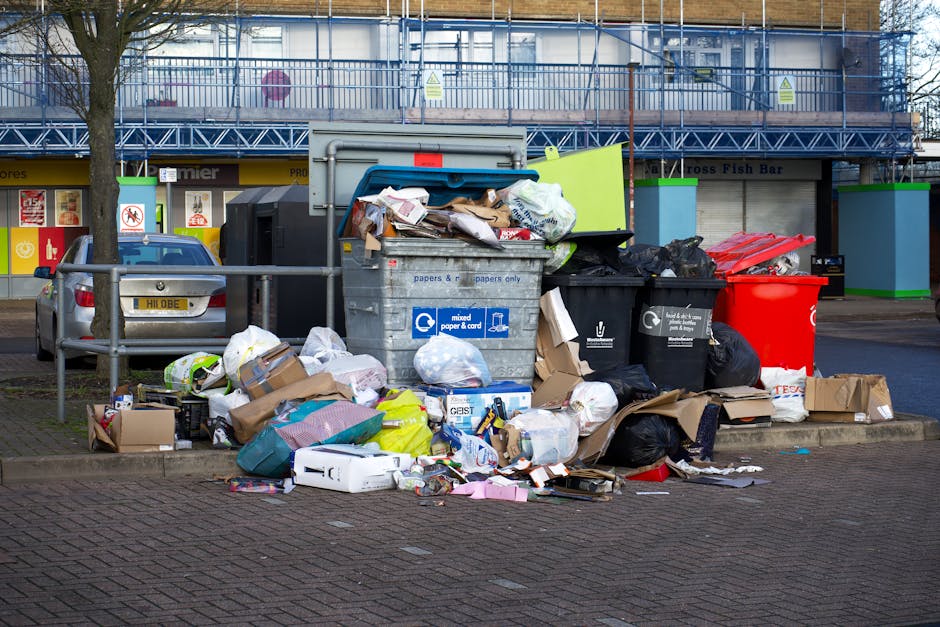
If you live in Brent Street and you are staring at a hallway full of bags, an overflowing bin store, or a stack of old furniture that has quietly become part of the scenery, you are not alone. Estate rubbish collection in NW4 sounds simple enough, but in real life it often means tight access, shared areas, awkward timings, neighbours to consider, and a bit of local logistics. This guide walks you through the NW4 estate rubbish collection guide for Brent Street homes in plain English, so you can decide what to do, what to avoid, and how to get it handled properly without making a mess of the estate on the way out.
Whether you are clearing a flat, tidying a communal bin area, dealing with post-renovation waste, or just trying to remove unwanted clutter before it becomes a problem, the aim is the same: get rid of rubbish safely, legally, and with as little disruption as possible. Let's make it straightforward.
Why NW4 estate rubbish collection guide for Brent Street homes Matters
Estate rubbish collection is not just about "getting rid of stuff". On Brent Street and across NW4, the way waste is handled affects access, appearance, safety, hygiene, and neighbour relations. In a terraced street, a converted building, or a managed estate, one badly placed pile of rubbish can block a path, attract pests, or create a complaint before lunch. Not ideal.
It matters even more in shared housing because the space is communal. One resident's cupboard clear-out becomes everyone's visual problem if bags are left by a gate or beside the bin store. That is where a proper approach helps. You need a plan that respects the building, the residents, and the people collecting the waste.
There is also a practical side that people often miss. Estate collection is usually easier when items are sorted in advance, access is measured, and the right service is chosen. If you have ever tried to drag a broken wardrobe through a narrow stairwell at 8 a.m. while someone else is trying to leave for work, you will know why a little planning goes a long way.
For many Brent Street homes, the real value is reducing friction. Less lifting, less waiting around, fewer complaints, and a cleaner finish. In busy NW4 streets, that peace of mind is worth quite a bit.
Practical takeaway: The best estate rubbish collection is not the fastest one on paper; it is the one that clears the waste cleanly, keeps shared areas usable, and avoids creating another problem in the process.
Table of Contents
- Why NW4 estate rubbish collection guide for Brent Street homes Matters
- How NW4 estate rubbish collection guide for Brent Street homes Works
- Key Benefits and Practical Advantages
- Who This Is For and When It Makes Sense
- Step-by-Step Guidance
- Expert Tips for Better Results
- Common Mistakes to Avoid
- Tools, Resources and Recommendations
- Law, Compliance, Standards and Best Practice
- Options, Methods and Comparison Table
- Case Study or Real-World Example
- Practical Checklist
- Conclusion
- Frequently Asked Questions
How NW4 estate rubbish collection guide for Brent Street homes Works
At a basic level, estate rubbish collection usually follows a simple flow: assess the waste, separate what can be removed, prepare access, collect safely, and dispose of items responsibly. The difference on an estate is that each step has a few more moving parts. Lift access, parking, stairwells, permits, bin store rules, and neighbour timings all matter.
In practice, a good collection starts before the vehicle arrives. The waste should be grouped in a sensible place if possible, with anything hazardous identified early. That might include broken glass, electrical items, paint tins, or heavy objects that need two people rather than one. If a property is on an upper floor, or the rubbish sits in a rear yard, those details should be clear from the outset.
For homes that need broader clear-out support, some people combine estate rubbish collection with home clearance services or, where the property is larger and has more contents, house clearance help. That can save time because one team can deal with mixed items in a single visit instead of piecing the job together in stages. To be fair, that is often less stressful for everyone involved.
For smaller piles of unwanted furniture or a few bulky pieces, dedicated furniture disposal or furniture clearance may be the better fit. The right option depends on volume, access, and whether the waste is household rubbish, bulky items, or renovation debris.
In an estate setting, collection teams also need to think about timing. A short window in mid-morning can sometimes be more workable than early rush hour or late afternoon. That tiny detail can make the difference between a smooth pickup and a mini traffic puzzle outside the block.
Key Benefits and Practical Advantages
The most obvious benefit is cleanliness. Clear rubbish means cleaner shared walkways, bin stores, gardens, and entrances. But the real benefits go beyond appearance. A properly managed clearance supports safety, reduces fire risk from blocked routes, and makes communal spaces feel usable again.
- Less clutter in shared areas: bags, boxes, and bulky items are removed before they spill into walkways.
- Better access for residents: front doors, stairwells, lift lobbies, and bin enclosures stay easier to use.
- Reduced nuisance: less chance of smells, pests, and fly-tipping-style build-up.
- Cleaner handover for landlords or managing agents: useful between tenancies, refurbishments, or occupancy changes.
- Less strain on residents: no need to shift heavy items down stairs or squeeze them into a car.
There is also a time-saving benefit that people underestimate. A well-organised collection can clear a lot in a short period because the waste is already grouped and the route is already thought through. That means fewer repeat visits and less disruption to the estate. Simple, really, but it matters.
If the estate contains mixed waste types, professional collection can also support better sorting and recycling. A responsible operator will normally separate reusable, recyclable, and non-recyclable material where practical. If sustainability matters to you, it should matter to the service too. You can learn more about that approach through the site's recycling and sustainability information.
Who This Is For and When It Makes Sense
This guide is relevant for a surprisingly wide group of people. If you live in Brent Street, NW4, and your home is part of an estate, block, or shared property, there is a good chance you will need estate rubbish collection at some point. Sometimes it is planned. Sometimes it is because life happens, and life leaves things behind.
- Homeowners who are clearing old belongings, appliances, or garden waste from a shared property.
- Tenants who need to leave a flat tidy and avoid deductions or disputes.
- Landlords and agents managing end-of-tenancy rubbish, abandoned furniture, or pre-let clearance.
- Families dealing with a larger home clear-out, downsizing, or inherited contents.
- Residents in flats who need help with bulky waste that will not fit in the communal bins.
- People renovating who have builders' waste, old fixtures, or packaging to move quickly.
It makes sense when the waste is too much for normal bin collection, too heavy to carry yourself, or too awkward to transport safely. It also makes sense when shared access means you cannot leave things lying around for long. If the hallway is narrow or the estate has strict management rules, then trying to DIY the whole thing can become one of those jobs that seems small until you are halfway through it. Then it is not small at all.
For jobs involving building work, the more suitable option may be builders waste clearance. For estate offices, reception rooms, or workspaces within mixed-use buildings, office clearance may be the better match. The trick is choosing the service that fits the waste, not just the one that sounds familiar.
Step-by-Step Guidance
If you want the process to run smoothly, it helps to treat estate rubbish collection like a small project rather than a spontaneous chore. A little structure saves a lot of chaos.
- Identify the waste type. Separate general rubbish, furniture, electricals, garden waste, and any construction debris. Mixed piles are the ones that cause confusion later.
- Check access. Measure stairwells, note lift access, and think about parking or loading space. A collection team can work around many issues, but not if the information arrives too late.
- Decide what stays and what goes. This sounds obvious, yet it is the step most often skipped. Mark items clearly if several households are involved.
- Bag, bundle, or stack safely. Keep sharp objects wrapped, heavy items low and stable, and loose rubbish in manageable bags.
- Choose the right collection type. Estate rubbish, furniture, garden, garage, loft, or full property clearance all have different demands.
- Book a time that works for the estate. Try to avoid school-run times, busy commuter periods, or times when bin access is restricted.
- Prepare a clear route. Move bikes, prams, and obstacles away from hallways if possible. It makes the job quicker and safer.
- Confirm disposal expectations. Ask how the waste will be handled, especially if you care about recycling or need proof of responsible removal.
One useful habit: take a quick walk through the route before collection day. You will often spot a surprise bottleneck, like a locked side gate, a low branch, or a pile of parcel boxes nobody remembers owning. Happens all the time.
If the job involves loft contents, it may be worth looking at loft clearance. If the rubbish is mostly from a garage, garage clearance is usually the more appropriate route. And if the mess extends beyond one room, a broader flat clearance can be the cleanest fix.
Expert Tips for Better Results
Here are the small things that make a real difference on estate jobs. They are not glamorous, but they save time and awkward conversations.
- Sort by lifting difficulty, not just by category. Put the heaviest items nearest to the exit if they need the most effort.
- Keep one small item log. If multiple residents or rooms are involved, jot down what is staying and what is leaving. No one enjoys a "wait, that was meant to stay" moment.
- Protect communal surfaces. Cardboard or blankets over sharp corners and door frames can prevent scuffs in older blocks.
- Warn neighbours when needed. A quick heads-up about lifting, noise, or vehicle access usually prevents misunderstandings.
- Separate valuables and paperwork first. Estates often hide old letters, keys, and the occasional important document in odd places.
- Think about timing with weather. Rain makes cardboard soggy, paths slippery, and moving things less pleasant. A damp Tuesday in London can turn a simple clear-out into a slippery little drama.
Another useful tip: if the estate includes both household waste and outdoor waste, split the job into zones. For example, do the garden first, then the indoor rooms. It keeps progress visible, which matters more than people think. Seeing a clear patch appear is motivating.
If you are dealing with heavy or awkward furniture, the service should be able to support safe handling and sensible loading. That is where general waste removal can be useful, especially when the load is mixed and not limited to one room or one waste stream.
Common Mistakes to Avoid
Most problems with estate rubbish collection are avoidable. The trouble is that they are also very easy to repeat, especially when you are in a rush.
- Leaving waste in communal areas too long. Even if collection is booked, piles in shared hallways can create complaints quickly.
- Assuming all waste is the same. A sofa, broken mirror, and plasterboard offcut are not handled the same way.
- Underestimating access issues. Tight stairs, no parking, or multiple locked doors can slow everything down.
- Forgetting to check what should not be mixed in. Hazardous or specialist items need extra care.
- Booking too late in the day. If the estate has restricted access hours, a late slot can backfire.
- Not confirming the scope. "A few bits" can become a full van before anyone notices. Truth be told, that happens more often than people admit.
One small but important thing: do not block fire routes, even temporarily. It is one of those issues that feels convenient in the moment and silly later. In a shared block, a neat pile can still be a hazard.
If you need a structured package for a larger property, it may be better to combine services rather than trying to improvise. For example, a property with old furniture, loft clutter, and patio waste may benefit from a mix of home clearance, garden clearance, and furniture-focused support. That is far better than forcing one messy approach onto everything.
Tools, Resources and Recommendations
You do not need specialist equipment for every job, but a few simple tools make estate clearance safer and less stressful. If you are preparing the site yourself, these are worth having to hand:
- strong bin bags or rubble sacks for smaller waste
- gloves with a good grip
- tape or labels for marking items
- cardboard or old blankets to protect walls and floors
- a torch for bin stores, lofts, or dim communal corners
- basic cleaning materials for a quick sweep after removal
For service selection, the most useful thing is a provider that is transparent about scope, access, and disposal practices. You want to know what happens if the lift is out, if the load is larger than expected, or if items need to be separated on site. That kind of clarity matters more than a polished sales pitch.
If cost planning is part of your decision, take a look at the site's pricing and quotes information. It is a sensible place to start before you book anything, especially if you are comparing a one-off clearance with a larger tidy-up.
For reassurance around service standards, the pages on insurance and safety and health and safety are also worth reviewing. They help set expectations for how a responsible team should operate around shared entrances, stairs, and other awkward estate features.
Law, Compliance, Standards and Best Practice
Rubbish collection in the UK is not just a practical matter; it also carries legal and environmental responsibilities. You do not need to become a waste law expert, but you do need to stay on the safe side of a few basics.
First, waste should be handled by someone who can dispose of it responsibly. Fly-tipping, careless dumping, and leaving rubbish in common areas can cause trouble for everyone involved. In estates, that is especially sensitive because responsibility can become blurred if no one owns the mess clearly.
Second, some items require extra caution. Electrical appliances, sharp objects, liquids, paint, and anything that could leak or contaminate other waste should be identified early. If in doubt, separate them before collection and ask how they should be handled. Better to be a little cautious than to guess.
Third, best practice on estates means respecting shared access and keeping routes safe. That includes not blocking exits, not obstructing bin stores, and not creating trip hazards. It sounds basic because it is basic, but basic things are usually where standards are won or lost.
Responsible operators should also follow sensible handling practices, use suitable equipment, and avoid unnecessary damage to communal property. For peace of mind, it helps if you choose a provider that takes safety, insurance, and disposal standards seriously. The pages on terms and conditions and complaints procedure can also give you an idea of how issues are handled if something does not go as planned.
Best practice is not about being fussy. It is about preventing avoidable mess, injury, or neighbour disputes. On a busy Brent Street estate, that is common sense with a tidy hat on.
Options, Methods and Comparison Table
Not every rubbish problem needs the same solution. Sometimes you just need a small pickup. Sometimes you need a full estate clear-out. Here is a simple comparison to help you think it through.
| Method | Best for | Advantages | Watch-outs |
|---|---|---|---|
| Self-clearance | Very small, light loads | Low direct cost if you already have transport | Time, lifting risk, parking, multiple trips |
| Bulky waste collection | Single items or a few large pieces | Simple and quick for furniture or appliances | Access and item restrictions may apply |
| General waste removal | Mixed household rubbish | Flexible for varied loads and awkward clear-outs | Needs clear sorting for the best outcome |
| Flat or house clearance | Whole rooms, whole homes, or major declutters | Efficient for larger jobs, especially after tenancy changes | Requires more preparation and clear instructions |
| Specialist clearance | Lofts, garages, gardens, builders' waste | Matches the job type more closely | Use the right service or you may overpay or slow things down |
In real life, the best method is often a blend. For example, a ground-floor flat might need furniture removal, a few bags of general waste, and some garden cuttings cleared from the back courtyard. One van, one plan, one less headache. That is usually the sweet spot.
Case Study or Real-World Example
Here is a realistic example from the kind of job that comes up regularly in NW4. A family in a Brent Street estate was preparing a flat for re-letting after a long occupancy. The property itself was tidy enough, but the communal storage area had become the catch-all for old shelving, a broken chair, bagged clutter, and a few bits of renovation waste from a previous repair.
The biggest issue was not the volume. It was access. The storage cupboard sat near a narrow corridor, and the building had strict quiet hours. If the work had been left to a random free hour, it would probably have annoyed the neighbours and taken longer than expected.
Instead, the rubbish was sorted by type before collection. Furniture was separated from loose waste, sharp edges were wrapped, and the route was checked in advance. The collection was done in a short, planned window, which meant the corridor stayed usable and the estate manager did not need to chase anyone about blocked access.
What made the difference? Planning, mainly. Nothing fancy. Just clear decisions, sensible timing, and the right service for the waste involved. Sometimes that is all it takes, which is a relief really.
In another case, a loft job in a nearby flat was tied in with a broader loft clearance because the household wanted the whole space reset before autumn storage. That was a better fit than piecemeal disposal, because the access was awkward and the contents were mixed. One considered visit solved a month of half-finished effort.
Practical Checklist
Use this checklist before collection day. It is simple, but it catches the usual problems.
- Have you identified exactly what needs to go?
- Have you separated reusable items from true rubbish?
- Have you checked access, parking, and any estate rules?
- Are sharp, heavy, or awkward items wrapped or marked?
- Have you moved personal valuables, documents, and keys out of the way?
- Do neighbours or managing agents need a quick heads-up?
- Is the waste grouped so collection can happen quickly?
- Have you chosen the right service for the job type?
- Do you know how the waste will be handled after removal?
- Have you kept entrances, fire routes, and shared paths clear?
If you can tick those off, you are already ahead of the curve. Seriously. Most stressful clearance jobs become stressful because of the prep, not the removal itself.
Get a free quote today and see how much you can save.
Conclusion
The best NW4 estate rubbish collection guide for Brent Street homes is the one that helps you act early, plan clearly, and avoid the little mistakes that create bigger problems later. Shared living spaces need a bit more care than a standard one-off pickup, but the process does not have to be difficult. Once you understand the waste, the access, and the right service type, the rest gets much easier.
Whether you are clearing a flat, a storage area, a garage, or a full household load, the goal is the same: remove the waste safely, keep the estate tidy, and make life simpler for everyone using the space. That is the real win. Clean start, calm finish.
And honestly, once the clutter is gone and you can hear your own footsteps in the hallway again, it feels like the place breathes a little easier.
Frequently Asked Questions
What counts as estate rubbish collection in Brent Street homes?
It usually means removing unwanted household waste, bulky items, bagged rubbish, or mixed contents from a shared estate, block, or communal property. The exact scope depends on access, volume, and the type of waste.
Can I put rubbish in the communal bin area and leave it for collection later?
Only if the estate rules allow it and the waste is placed safely and neatly. Leaving bags or bulky items out too long can cause obstruction, complaints, or hygiene issues.
What if the rubbish includes furniture as well as general waste?
That is common. Mixed loads can often be handled together, but furniture should usually be separated from loose waste so it can be loaded safely and handled efficiently.
Is estate rubbish collection suitable for flats?
Yes. In fact, flat residents often need it because normal bins are not designed for bulky or high-volume waste. Services such as flat clearance can be especially useful here.
How do I prepare for a collection in a narrow Brent Street estate?
Clear the route, check access points, group waste in one place, and remove obstacles like bikes, prams, or storage boxes. If the access is tight, tell the provider in advance so they can plan properly.
What should I do with broken or heavy items?
Wrap sharp edges, avoid overloading bags, and keep heavy pieces stable. If the item is too awkward to move safely, it is better to leave it for a trained team than to risk injury.
Do I need a full property clearance or just rubbish collection?
If you are only removing a few bags or a couple of items, simple rubbish collection may be enough. If several rooms, a loft, a garage, or a whole flat need clearing, a broader clearance service is usually the better fit.
How can I keep costs under control?
Sort the waste first, be clear about volume, and choose the right service type from the start. Clear photos, sensible access details, and accurate descriptions usually help avoid surprises.
What happens to the waste after it is collected?
Responsible providers sort items for reuse, recycling, or disposal where practical. If sustainability matters to you, look for clear information on handling and recycling before booking.
Can builders' debris be included with household rubbish?
Sometimes, but only if the provider accepts mixed loads and the debris is suitable for that service. For renovation leftovers, builders waste clearance is usually the more appropriate option.
What if I am not sure which service I need?
Start by listing the waste type, the volume, and the access conditions. Then compare that with the site's service pages, such as waste removal, house clearance, or furniture disposal. If you are still unsure, it is better to describe the job clearly than to guess.
Are there any estate-specific safety concerns I should watch for?
Yes. Shared stairs, lifts, fire exits, wet surfaces, and narrow corridors are the main ones. Keep routes clear, avoid leaving obstacles behind, and make sure the waste does not create trip hazards.
For more on the company, you can also review about us, check payment and security, or use the contact page when you are ready to talk through a specific job. If you want the broader service framework, the main homepage is a good place to start.