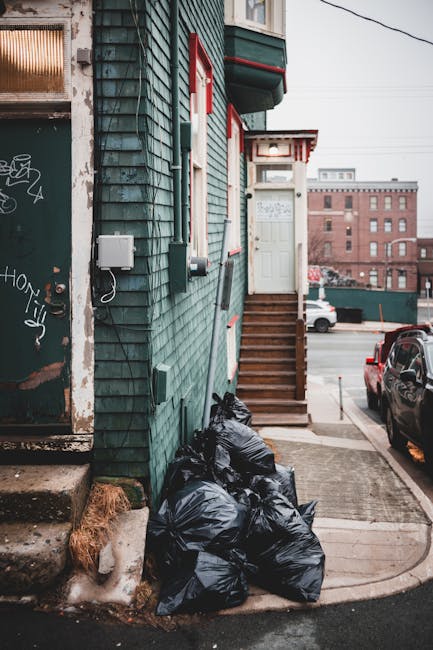
Hendon Park bulky waste removal and garden rubbish tips

If your garden has turned into a half-hidden storage zone for old pots, broken fencing, cut branches, or that one garden chair nobody admits owning, you are not alone. Hendon Park bulky waste removal and garden rubbish tips is really about making a messy, awkward job feel manageable again. The trick is knowing what counts as bulky waste, what can be recycled, what needs careful handling, and how to clear everything without making the day harder than it needs to be.
Whether you are tackling a small patio tidy-up or a full outdoor clear-out after a long weekend of pruning, the right approach saves time, reduces stress, and helps you avoid the usual mistakes: overfilling bags, mixing waste types, or leaving heavy items until the last minute. Below, you will find a practical, human guide to sorting, lifting, loading, and deciding when a professional service makes more sense than a DIY run. And yes, we will keep it plain English.
Why Hendon Park bulky waste removal and garden rubbish tips Matters
Outdoor waste has a habit of building up slowly. One broken planter becomes three. A pile of hedge cuttings waits for "next weekend." An old table leans against the shed through one rainy month, then another. Before you know it, the garden feels smaller, less usable, and honestly a bit defeating.
That is why Hendon Park bulky waste removal and garden rubbish tips matter. It is not only about getting rid of unwanted things. It is about restoring usable space, reducing trip hazards, and keeping the whole job calm and organised. A tidy garden is easier to mow, plant, enjoy, and maintain. Simple, but true.
There is also a practical side. Mixed waste can be awkward to move, hard to sort later, and sometimes expensive if handled badly. Garden rubbish often contains a blend of green waste, timber, plastic, soil, metal, and old household items. If you separate those streams early, you usually save yourself a lot of faff later on.
For many Hendon Park residents, the challenge is access as much as volume. Narrow paths, shared entrances, basement steps, side gates that only open halfway, and heavy items that do not glide easily over paving slabs - these little things decide whether the clearance feels easy or exhausting. In our experience, that is where planning pays off.
How Hendon Park bulky waste removal and garden rubbish tips Works
At its most basic, the process is: identify the waste, sort it, make it safe to move, and choose the disposal route that fits the material. That route might be a council collection, a self-managed trip, or a professional clearance service such as garden clearance or broader waste removal support.
Bulky waste usually means larger household or outdoor items that cannot go out with standard bins. Think old furniture, dismantled sheds, broken garden benches, plant pots, trellis panels, bags of soil, sleepers, fencing, or a pile of prunings that has gone from "neatly trimmed" to "slightly feral." Garden rubbish tips, meanwhile, are the practical habits that make this waste easier to manage: cutting branches down to size, separating green waste from hard materials, and keeping pathways clear before lifting starts.
The best process usually looks like this:
- Walk the area and identify everything that needs to go.
- Split items into green waste, recyclable hard waste, reusable items, and general rubbish.
- Break down what you safely can, such as flat-pack furniture, light fencing, or bundleable branches.
- Make lifting routes clear so nobody trips over a wheelbarrow, hose, or loose slab.
- Decide whether the load is manageable in stages or better handled in one visit.
That last step matters more than people expect. A small clear-out can be done in an afternoon. A bigger one can turn into three separate journeys, a sore back, and a very uncooperative trailer. Not ideal.
If your clearance overlaps with indoor clutter as well, you may also want to look at home clearance, garage clearance, or even house clearance if the project has quietly expanded, which it tends to do.
Key Benefits and Practical Advantages
The most obvious benefit is space. But there are several others, and they are worth spelling out because they affect the day-to-day experience of living with the garden.
- Safer pathways: fewer obstacles around steps, patios, and side returns.
- Better garden use: lawns, seating areas, and planting beds become usable again.
- Easier maintenance: mowing, edging, sweeping, and pruning all get simpler.
- Less stress: you stop seeing the same pile every time you look outside the window.
- Cleaner sorting: separating waste early makes recycling and disposal more straightforward.
There is also a mental benefit. People often underestimate how much visual clutter affects how they feel about a property. You step outside, see the mound near the fence, the rusty frame, the broken bird bath, and suddenly the whole garden feels unfinished. Clear it out and the space changes shape almost overnight. Small thing, big difference.
Professionally managed clearance can also help when you are short on time. That is especially useful if you are juggling work, family, weather windows, or a deadline like a move. If you want to compare options and budget sensibly, it is worth checking pricing and quotes before the pile gets any bigger.
Who This Is For and When It Makes Sense
This kind of clearance is for anyone dealing with more waste than a standard bin system can comfortably handle. In real life, that includes homeowners, tenants, landlords, gardeners, property managers, and anyone who has just finished a project and is staring at the aftermath in mild disbelief.
It makes particular sense if you have:
- large branches, hedge cuttings, or tree prunings
- old garden furniture, planters, or broken outdoor toys
- soil, turf, stones, or rubble mixed with green waste
- damaged fencing, trellis, decking offcuts, or timber offcuts
- a cluttered shed, garage, or loft linked to the garden tidy-up
It also makes sense when you want the job gone quickly and properly. A lot of people start with the best intentions - a few bags here, a few bundles there - then realise the waste is too bulky, too heavy, or too awkward for a quick solo run. Let's face it, not everyone wants to spend Sunday afternoon wrestling a half-wet branch into the back of a car.
If the waste is a bit more specialised, such as broken shelving, old cabinets, or salvaged furniture from an outdoor room or conservatory, you may find furniture clearance or furniture disposal more relevant alongside the garden tidy-up.
Businesses and landlords may also need a broader plan if multiple areas are involved. In that case, business waste removal can be a better fit than ad hoc disposal.
Step-by-Step Guidance
Here is a practical way to handle the job without it spiralling. Nothing fancy. Just a sensible order that keeps the work moving.
1. Start with a full walk-through
Look at the entire space first. Check corners, behind bins, under benches, around sheds, and any damp or shaded spots where items have been left to "deal with later." You will often find more waste than you expected. That is normal.
2. Separate waste into clear groups
Try to divide everything into:
- Green waste: grass, leaves, cuttings, hedge trimmings, small branches
- Hard garden waste: fencing, trellis, pots, metal frames, broken furniture
- Reusable items: tools, containers, timber, fittings that can still be used
- General rubbish: mixed waste that cannot be cleanly recycled
3. Cut and bundle where safe
Shorter lengths are easier to move. Cut long branches down to manageable sections. Bundle light material tightly. Bag loose leaves before they get damp and heavy. If something is sharp, splintered, or awkward, stop and assess it properly rather than forcing it. A five-minute pause can save a painful trip to the back door.
4. Clear the access route
Make sure the path from garden to collection point is free of toys, pots, hosepipes, plant stands, and random slippery bits. Wet leaves on paving can be a sneaky hazard, especially after a drizzly morning. A broom and a bit of patience go a long way.
5. Decide on the disposal route
Some loads are small enough to split into a few bags. Others are better handled by a dedicated team. If the mix includes shed debris, renovation leftovers, or heavy timber, a broader builders waste clearance approach may be useful too.
6. Finish with a final sweep
Once the main waste is gone, sweep the hard surfaces and check for nails, screws, broken glass, or sharp fragments. This final pass is boring, yes, but it is the bit that leaves the garden genuinely ready to use.
Expert Tips for Better Results
These are the habits that make garden clearance feel smoother and, frankly, less irritating.
Tip 1: Work from the edges inward. That keeps the centre open for sorting and loading. If you start in the middle, you end up stepping over your own piles. Bad plan.
Tip 2: Keep wet and dry waste separate where possible. Wet grass, leaves, and soil get much heavier. If you let them sit together in one bag, the bag becomes awkward fast.
Tip 3: Flatten what can be flattened. Cardboard, plastic trays, broken lightweight frames, and some fencing sections take up less room once reduced.
Tip 4: Put the heaviest items nearest the collection access. You do not want to drag a soaked timber board across the whole garden twice.
Tip 5: Protect surfaces. If you are moving waste over decking or soft paving, use a board or mat to reduce scuffs and scratches.
Tip 6: Think about reuse before disposal. A surprisingly decent planter, bench, or storage box can sometimes be cleaned up rather than thrown away. No need to be sentimental about everything, but a bit of judgement helps.
And one more practical note: if the job involves a lot of lifting, do not be a hero. Seriously. A strained back is a miserable souvenir from a garden tidy-up.
Common Mistakes to Avoid
Most clearance headaches come from a handful of predictable mistakes. The good news? They are easy enough to avoid once you know what to watch for.
- Mixing everything together: it makes sorting slower and disposal less efficient.
- Leaving heavy items until last: by that point, you are tired and more likely to mishandle them.
- Ignoring access: a narrow gate or steep step can change the whole plan.
- Overfilling bags: especially with wet cuttings or soil, which get heavier than expected.
- Forgetting sharp waste: broken glass, nails, and screws can cause injuries if they are hidden in mixed loads.
- Assuming every item is green waste: old plastic plant pots and treated timber usually need different handling.
One more thing people sometimes miss: garden waste that has been sitting for a while may compact, rot, or pick up moisture. That changes the weight and smell. Not pleasant, to be fair, and definitely worth planning for before you begin.
Tools, Resources and Recommendations
You do not need a shed full of specialist kit, but the right basics help a lot.
- Heavy-duty gloves: for splinters, thorns, sharp edges, and general grime.
- Garden sacks or rubble bags: useful for sorting waste into manageable loads.
- Secateurs or loppers: for cutting branches and tidying awkward lengths.
- Wheelbarrow or sack truck: helpful for moving dense or bulky items safely.
- Broom and dustpan: for the final clean-up on hard surfaces.
- Tarp or sheet: handy for dragging light waste without making a mess.
If you are planning a bigger mixed clearance, look at the surrounding areas too. A garden tidy often spills into the shed, garage, or loft. In those cases, loft clearance and garage clearance can be practical add-ons rather than separate projects.
For people who want the bigger picture on environmental handling, recycling and sustainability is a useful page to review before deciding what should be reused, recycled, or disposed of responsibly.
And if you want to understand who is behind the service, it is worth reading about us. Trust matters. It always has.
Law, Compliance, Standards, or Best Practice
With waste, the main principle is simple: it should be handled responsibly, transferred to suitable facilities, and kept separate where separation improves recycling or safe treatment. You do not need to become a legal expert to do the right thing, but a little care goes a long way.
In the UK, householders are generally expected to make reasonable decisions about where waste goes and who handles it. If you use a clearance service, it is sensible to choose one that follows proper safety and environmental practices, uses appropriate insurance, and can explain how waste is handled. That is just good practice, not theatre.
For anyone planning a clearance, a few best-practice points stand out:
- do not leave waste where it could obstruct paths or create hazards
- separate green waste from non-green items where possible
- be cautious with treated timber, sharp metal, paint containers, or unknown materials
- make sure lifting and carrying are done with care, especially on uneven ground
- keep records or receipts if you are hiring a service and want a clear paper trail
If you are checking service standards, pages like health and safety policy, insurance and safety, and terms and conditions are worth reading. They are not exciting, granted, but they tell you a lot about how seriously a provider treats the work.
Options, Methods, or Comparison Table
Different waste situations call for different methods. Here is a straightforward comparison to help you choose.
| Method | Best for | Pros | Trade-offs |
|---|---|---|---|
| DIY sorting and disposal | Small, light, well-sorted garden waste | Lower cost, full control, can be done in stages | Time-consuming, lifting involved, multiple trips may be needed |
| Professional garden clearance | Mixed, bulky, heavy, or time-sensitive outdoor waste | Quicker, less physical effort, good for awkward access | Usually costs more than doing it yourself |
| Combined clearance | Garden waste plus indoor clutter or garage items | Efficient for larger tidy-ups, fewer separate arrangements | Needs clearer planning and sorting at the start |
If the garden project has spilled into the conservatory, hallway, or spare room, a broader flat clearance or furniture disposal route can help streamline things. Sometimes the best answer is not one service, but one tidy plan.
Case Study or Real-World Example
Picture a typical Hendon Park back garden after a few months of stopping and starting. There is a stack of broken fence panels near the side gate, a builder's bag with old soil and roots, a rusted metal table missing one leg, a few sacks of hedge trimmings, and some faded plant pots tucked under the bench.
The owner starts by sorting the waste into three piles: green waste, hard waste, and keep/reuse. The prunings go into bags first, while the longer branches are cut down into shorter sections. The fence panels are stacked flat to save space. The table is checked for salvage value, but it is too far gone. A wheelbarrow is used to move the soil away in smaller loads rather than trying to haul it all at once.
The final result is not dramatic in a flashy sense, but it is satisfying in that very real, slightly tired way. You can see the paving again. The gate swings properly. The lawn edge is visible. And the garden feels like a place to sit, not a place to avoid. That feeling matters more than people think.
If the waste had included old shed contents or mixed household items, the job could easily have expanded into garage clearance or home clearance territory. That happens often enough. One little project opens three others. Funny old thing.
Practical Checklist
Use this before you start, especially if the job is bigger than a quick sweep-up.
- Walk the garden and identify every bulky item
- Separate green waste from hard or mixed waste
- Check for sharp edges, nails, glass, or unstable items
- Cut branches and timber into safer lengths where possible
- Clear a route for carrying waste out
- Choose bags, sacks, or containers that suit the material
- Decide whether you need help for heavy lifting
- Confirm where the waste will go
- Keep reusable items apart from disposable waste
- Do a final sweep of paths, patios, and edges
Expert summary: The cleanest garden clear-outs are usually the ones that are sorted before they are lifted. Good separation, decent access, and a realistic plan save more time than most people expect.
Get a free quote today and see how much you can save.
Conclusion
Hendon Park bulky waste removal and garden rubbish tips are really about making a messy job feel straightforward again. Once you know what to sort, what to bundle, what to lift carefully, and when to call for help, the whole process becomes much less intimidating. You do not need perfection. You need a clear order, a bit of patience, and a sensible plan.
Start small if you have to. One corner, one pile, one path cleared. That is often how the whole thing gets done. And once the garden opens up again, you notice it straight away - more light, more room, less clutter, and a lot less sighing at the back door.
If you are ready to take the next step, review the available services, check the practical details, and choose the route that fits your space and timeline. Little by little, it comes together.
Frequently Asked Questions
What counts as bulky waste in a garden clearance?
Bulky waste usually means larger or awkward items that do not fit normal bin collections, such as broken furniture, fence panels, large plant pots, timber, or heavy garden debris.
Can garden rubbish be mixed with other household waste?
It can be mixed physically, but it is usually better to separate it where possible. Green waste, recyclable materials, and general rubbish are often easier to manage when kept apart.
What is the best way to deal with wet grass cuttings?
Bag them in manageable amounts and avoid overfilling. Wet cuttings are heavier than they look, and they compact quickly, which can make lifting awkward.
Do I need to break down branches before disposal?
Yes, if it is safe to do so. Shorter branches are easier to carry, stack, and load. Just avoid using tools on anything unstable, rotten, or heavily tangled without taking care.
Is it worth hiring help for a small garden clear-out?
If the waste is light and well-organised, DIY may be fine. But if you have heavy soil, large items, or poor access, getting help can save time and avoid strain.
What should I do with old garden furniture?
Check whether it can be reused or repaired first. If not, it may fit into a furniture-specific disposal route or a broader clearance plan depending on the material and condition.
How do I know if my waste needs a professional clearance service?
If the waste is too bulky, too heavy, too mixed, or too time-sensitive for you to handle comfortably, professional clearance is usually the easier option.
What are the biggest mistakes people make with garden rubbish?
The most common mistakes are mixing everything together, leaving heavy items until last, underestimating weight, and forgetting to clear the access route before lifting begins.
Can a garden tidy-up include garage or loft items too?
Yes, very often it does. A garden project can spill over into the garage, loft, or home, especially if you are clearing stored furniture, tools, or old equipment.
How do I keep the process safe on steps or uneven paths?
Keep the route clear, move one load at a time, use proper footwear, and avoid carrying anything that blocks your view. If something feels awkward, reduce the load or ask for help.
What should I ask before booking a clearance service?
Ask how waste is handled, what types of material they take, whether they are insured, how access is managed, and how pricing is calculated. Clear answers are a good sign.
Where can I find more details about service standards and company policies?
You can review the company's health and safety policy, insurance and safety, and recycling and sustainability pages for a better picture of how work is approached.